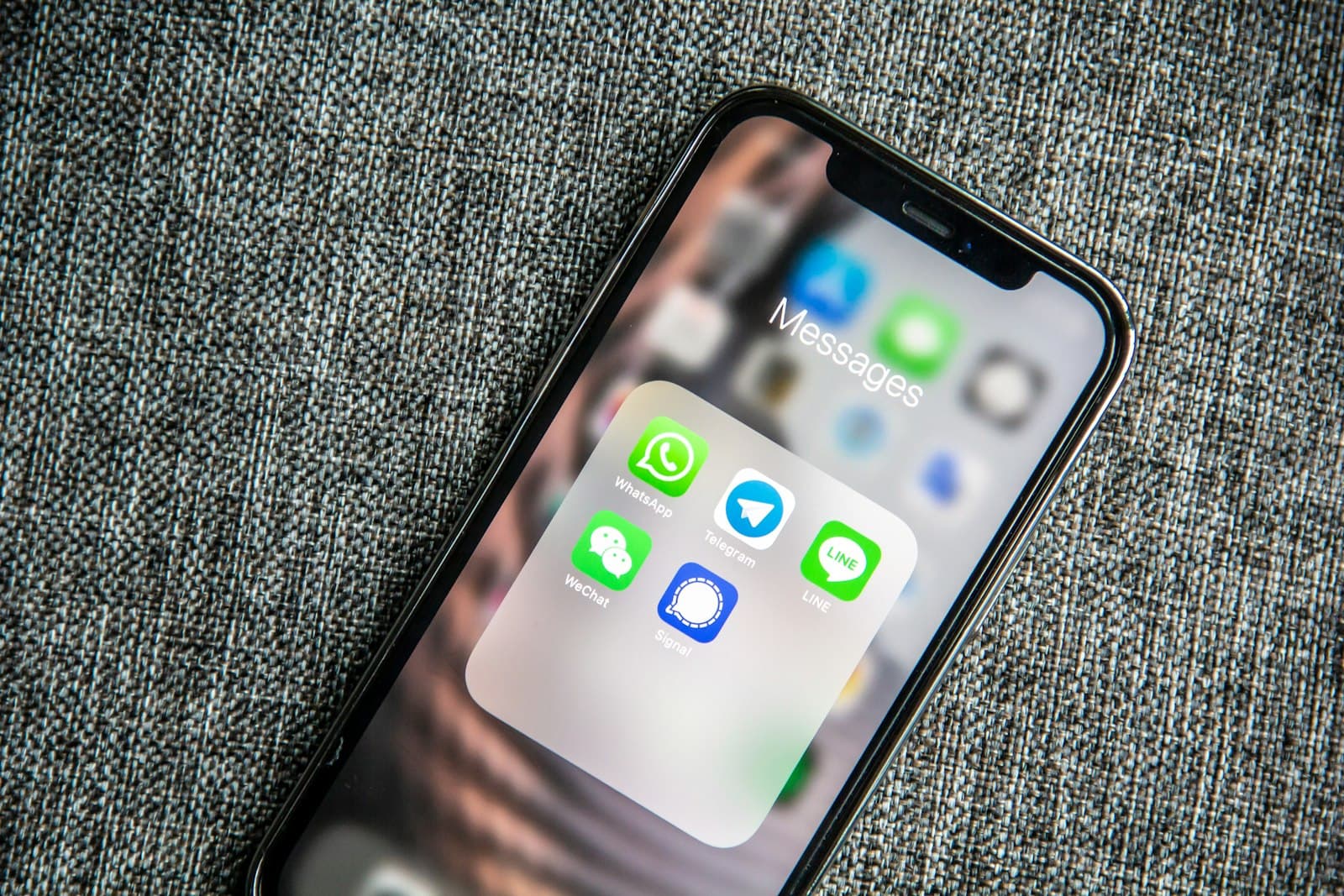
Most small clinics still chase patients with phone calls and SMS. The channel patients actually open is sitting right there, mostly unused.
It’s 9pm. A doctor is calling tomorrow’s patients one by one to confirm. Half don’t pick up. A few get a text instead, and it sits unread until morning. By then, it’s too late. This is still how a lot of small clinics in India try to stay in touch. Not because anyone’s bad at their job. Because the tools either take too much time, or don’t get read.
The channel patients are already using
India has one of the largest WhatsApp user bases in the world. Well over half a billion people, by independent estimates. It’s how most Indians message anyone, not just friends and family. The open-rate gap is just as stark. WhatsApp messages get opened the overwhelming majority of the time. A plain SMS often doesn’t. An email gets opened even less. For a clinic sending a reminder, that gap is the difference between a message that works and one that quietly fails.
Why it matters that it comes from the clinic
There’s a second reason WhatsApp works better than a generic app notification. It can arrive from your clinic’s own number, under your clinic’s own name. A patient reads that differently than an alert from an app they barely remember installing. It’s a small detail. But it changes ‘a system messaged me’ into ‘my clinic messaged me,’ and that changes how much a patient trusts what they’re reading.
Where this actually helps, day to day
In practice, it shows up in small moments. A confirmation right after someone books. A reminder the evening before. A gentle comfort check-in the day after a procedure. A nudge when someone’s overdue for a follow-up. None of it requires the patient to download anything. It just meets them in the app they already check dozens of times a day.
Worth being honest about the limits too. Reminders are great at fixing forgetfulness for a scheduled visit. They’re a weaker tool for changing long-term health habits on their own. The real promise here is specific: fewer empty chairs from people who simply forgot, not a behaviour-change miracle.
For a small clinic with no one to chase this manually, that’s not a minor convenience. It’s the difference between an hour a day on the phone, and it happening quietly in the background, under your own clinic’s name.